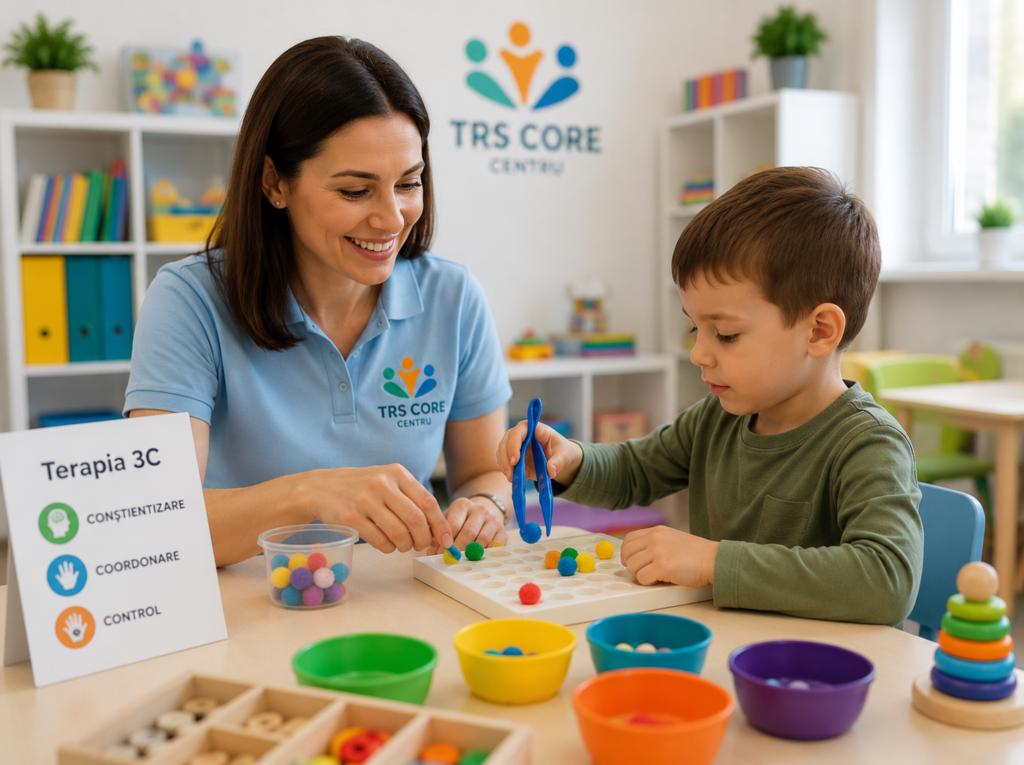
În ultimii ani, importanța sănătății mintale a devenit tot mai evidentă, iar rolul psihologului este recunoscut astăzi ca fiind esențial în sprijinirea persoanelor care se confruntă cu diverse provocări emoționale, comportamentale sau de dezvoltare. Dacă în cazul adulților psihologul oferă suport pentru gestionarea stresului, anxietății sau dificultăților relaționale, în cazul copiilor cu tulburări din spectrul autist (TSA), contribuția sa este și mai complexă și mai valoroasă.
Pentru familiile care au un copil diagnosticat cu autism, drumul poate fi plin de întrebări, incertitudini și provocări. În acest context, psihologul devine un partener important atât pentru copil, cât și pentru părinți, oferind sprijin, evaluare, intervenție terapeutică și îndrumare pe termen lung. La un centru specializat precum TRS Core Centru din Arad, serviciile psihologice fac parte dintr-un proces complex de dezvoltare și recuperare, adaptat nevoilor fiecărui copil.
De ce este important sprijinul psihologic pentru copiii cu autism?
Tulburarea de spectru autist afectează modul în care o persoană comunică, interacționează social și percepe lumea din jur. Fiecare copil este diferit, iar manifestările autismului pot varia de la dificultăți ușoare de comunicare până la provocări complexe care influențează semnificativ viața de zi cu zi.
În acest context, intervenția psihologică timpurie poate face o diferență majoră în dezvoltarea copilului. Studiile arată că identificarea și terapia precoce contribuie la îmbunătățirea abilităților sociale, a limbajului, a autonomiei și a capacității de adaptare la mediul înconjurător.
Psihologul nu urmărește schimbarea personalității copilului, ci dezvoltarea potențialului său și oferirea instrumentelor necesare pentru a comunica, învăța și participa cât mai activ la viața socială și educațională.
Rolul psihologului în evaluarea copilului
Unul dintre primele și cele mai importante roluri ale psihologului este evaluarea dezvoltării copilului. Aceasta reprezintă baza întregului proces terapeutic și permite identificarea punctelor forte, a dificultăților și a nevoilor specifice.
Evaluarea psihologică poate include:
- analiza comportamentului copilului;
- evaluarea dezvoltării cognitive;
- observarea interacțiunilor sociale;
- evaluarea limbajului și comunicării;
- identificarea dificultăților emoționale;
- stabilirea obiectivelor terapeutice.
Prin această evaluare, specialistul poate crea un plan personalizat de intervenție, adaptat nivelului de dezvoltare și particularităților fiecărui copil.
Dezvoltarea comunicării și a limbajului
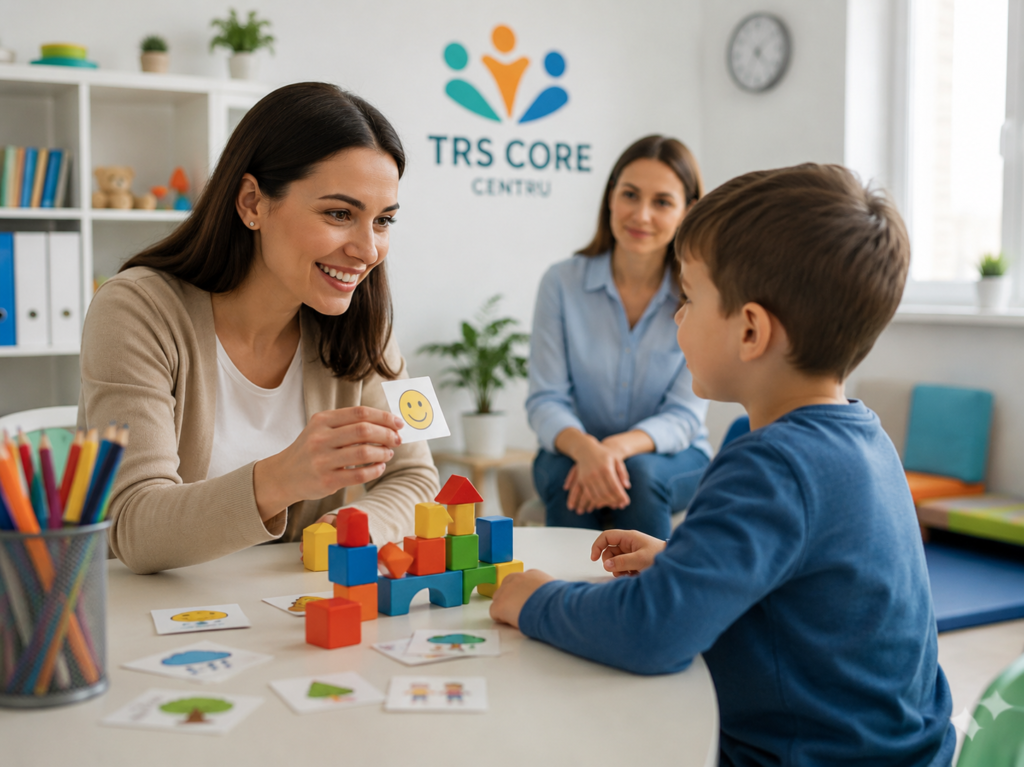
Una dintre cele mai frecvente provocări întâlnite la copiii cu autism este dificultatea de comunicare. Unii copii pot avea întârzieri în dezvoltarea limbajului, în timp ce alții întâmpină dificultăți în înțelegerea emoțiilor, a expresiilor faciale sau a regulilor conversației.
Psihologul lucrează constant pentru dezvoltarea acestor abilități prin exerciții și activități adaptate vârstei și nivelului copilului. Scopul nu este doar dezvoltarea limbajului verbal, ci și îmbunătățirea comunicării funcționale.
Copiii învață să:
- exprime nevoi și dorințe;
- răspundă la întrebări;
- inițieze conversații;
- mențină contactul vizual;
- înțeleagă emoțiile celorlalți;
- participe la activități sociale.
Aceste competențe sunt esențiale pentru integrarea în familie, școală și comunitate.
Gestionarea emoțiilor și comportamentelor dificile
Mulți copii cu autism întâmpină dificultăți în gestionarea emoțiilor și reacționează diferit la schimbări, zgomote, situații noi sau frustrări. Acest lucru poate conduce la comportamente precum crize emoționale, opoziționism, anxietate sau retragere socială.
Psihologul îi ajută să identifice și să înțeleagă propriile emoții, oferindu-le strategii prin care să își exprime sentimentele într-un mod sănătos și adaptativ.
Prin intermediul terapiei, copilul poate învăța:
- să recunoască emoțiile proprii;
- să gestioneze anxietatea;
- să facă față schimbărilor;
- să își controleze impulsurile;
- să reducă comportamentele problematice;
- să dezvolte toleranța la frustrare.
Pe termen lung, aceste abilități contribuie la creșterea independenței și a calității vieții.
Dezvoltarea abilităților sociale
Interacțiunea cu ceilalți poate reprezenta o provocare majoră pentru copiii cu autism. Deseori, aceștia întâmpină dificultăți în înțelegerea regulilor sociale, în interpretarea limbajului nonverbal sau în construirea relațiilor cu cei din jur.
Psihologul lucrează sistematic pentru dezvoltarea acestor competențe, folosind jocuri, exerciții practice și situații simulate care permit copilului să exerseze comportamente sociale într-un mediu sigur.
Printre obiectivele urmărite se numără:
- dezvoltarea empatiei;
- înțelegerea emoțiilor celorlalți;
- respectarea regulilor sociale;
- cooperarea cu alți copii;
- dezvoltarea prieteniilor;
- participarea la activități de grup.
Aceste abilități contribuie la integrarea școlară și la construirea unor relații sănătoase pe termen lung.
Sprijin pentru familie și părinți
Autismul nu influențează doar viața copilului, ci și întreaga familie. Părinții se confruntă adesea cu emoții intense, precum îngrijorarea, nesiguranța, vinovăția sau stresul asociat gestionării provocărilor zilnice.
Din acest motiv, psihologul are și rolul de a oferi suport familiei. Consilierea parentală îi ajută pe părinți să înțeleagă mai bine nevoile copilului și să adopte strategii eficiente de comunicare și educație.
În cadrul ședințelor de consiliere, părinții pot învăța:
- cum să gestioneze comportamentele dificile;
- cum să încurajeze dezvoltarea copilului acasă;
- cum să creeze rutine benefice;
- cum să comunice eficient cu copilul;
- cum să gestioneze propriul stres emoțional.
Atunci când familia și specialiștii lucrează împreună, progresul copilului poate fi semnificativ accelerat.
Importanța intervenției timpurii
Specialiștii din domeniul sănătății mintale subliniază constant importanța intervenției timpurii în cazul copiilor cu autism. Cu cât terapia începe mai devreme, cu atât există șanse mai mari de dezvoltare a competențelor esențiale pentru viața de zi cu zi.
Primii ani de viață reprezintă o perioadă în care creierul copilului este extrem de receptiv la învățare și adaptare. Intervențiile realizate în această etapă pot avea un impact pozitiv asupra comunicării, dezvoltării cognitive și adaptării sociale.
Acesta este motivul pentru care evaluarea și accesarea serviciilor specializate imediat ce apar semne de îngrijorare sunt atât de importante.
Psihologul și colaborarea multidisciplinară
În centrele specializate pentru copii cu autism, precum TRS Core Centru din Arad, psihologul face parte dintr-o echipă multidisciplinară care poate include logopezi, terapeuți ocupaționali, kinetoterapeuți și alți specialiști.
Această abordare integrată permite dezvoltarea unui plan terapeutic complet, adaptat tuturor nevoilor copilului. Fiecare specialist contribuie cu expertiza sa, iar progresul este monitorizat constant pentru a ajusta obiectivele și metodele de lucru.
Colaborarea dintre specialiști și familie creează un mediu favorabil dezvoltării copilului și oferă șanse mai mari de succes pe termen lung.
Beneficiile terapiei psihologice pe termen lung
Rezultatele terapiei nu apar întotdeauna imediat, însă progresul constant poate avea efecte remarcabile asupra dezvoltării copilului.
Pe termen lung, terapia psihologică poate contribui la:
- creșterea independenței;
- îmbunătățirea comunicării;
- dezvoltarea relațiilor sociale;
- reducerea anxietății;
- adaptarea mai bună la mediul școlar;
- creșterea stimei de sine;
- dezvoltarea autonomiei personale.
Fiecare pas înainte, indiferent cât de mic pare, reprezintă o victorie importantă atât pentru copil, cât și pentru familie.
Rolul psihologului în viața copiilor cu autism este mult mai amplu decât simpla desfășurare a unor ședințe de terapie. Acesta contribuie la evaluarea, dezvoltarea și susținerea copilului pe parcursul întregului proces de creștere și adaptare. În același timp, oferă părinților sprijinul și informațiile necesare pentru a face față provocărilor zilnice și pentru a deveni parteneri activi în procesul terapeutic.
La TRS Core Centru din Arad, intervenția psihologică este orientată către dezvoltarea potențialului fiecărui copil, respectând ritmul său individual și nevoile sale specifice. Prin implicare, profesionalism și colaborare între familie și specialiști, copiii cu autism pot dobândi abilități valoroase care le îmbunătățesc semnificativ calitatea vieții și șansele de integrare în societate.
A solicita ajutorul unui psiholog nu reprezintă un semn de slăbiciune, ci o investiție importantă în dezvoltarea și viitorul copilului. Pentru multe familii, acest pas este începutul unui drum către mai multă înțelegere, progres și speranță.